
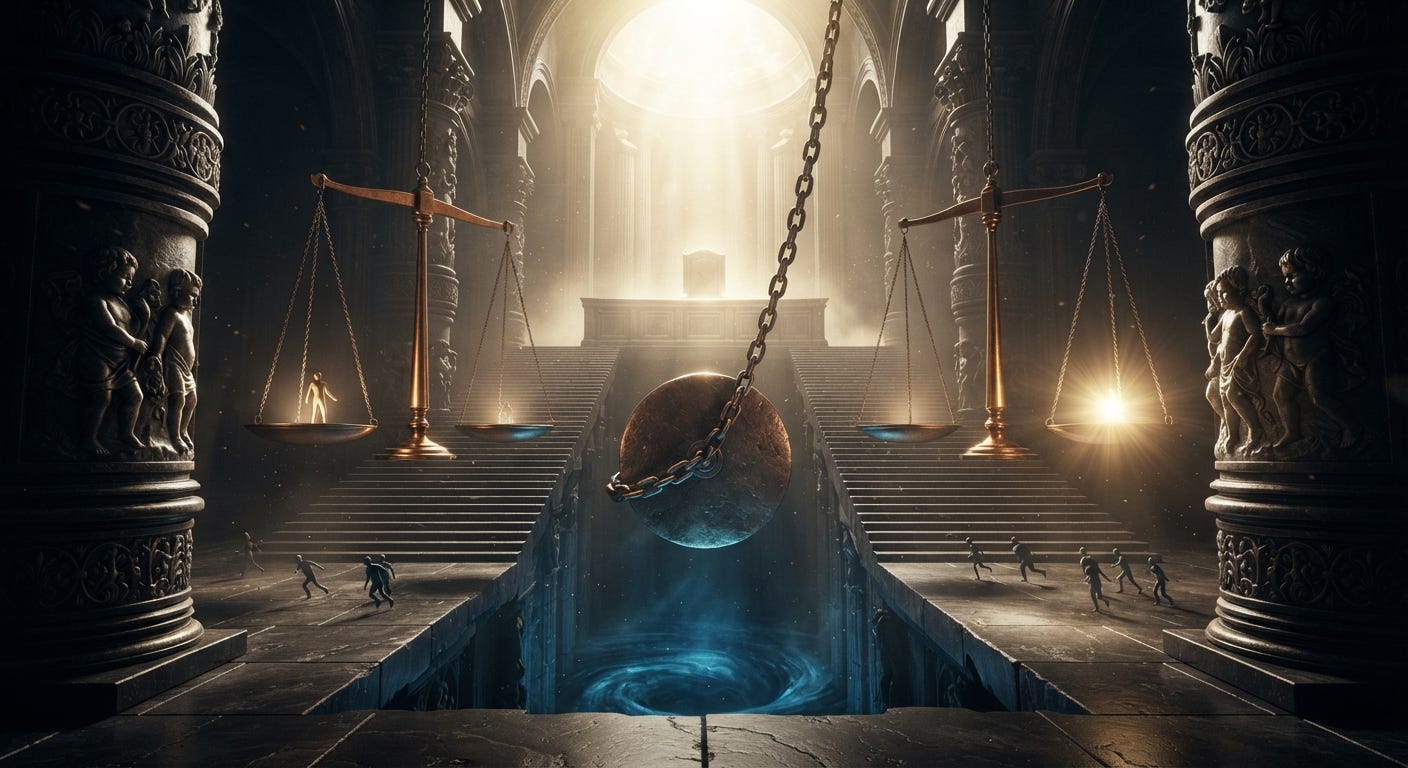
The disciples came to Jesus with a question about greatness. Who was greatest in the kingdom of heaven? Jesus called a little child and placed him in their midst.
Their question pointed toward rank. His answer pointed toward humility.
He told them they must turn and become as little children. Whoever humbled himself like that child was greatest in the kingdom. Whoever received such a child in His name received Him.
Then came the millstone.
Jesus said it would be better for someone to have a millstone hung around his neck and be drowned in the sea than to cause one of His little ones to stumble. A stone made for grinding grain became a picture of judgment. Put that weight around a person’s neck in deep water, and the picture needs very little explanation.
His warning concerned little ones “which believe in me”—those who trust Him, including humble believers whom powerful people may consider unimportant. The child stood among men who had been asking about greatness. Greatness in His kingdom gave them no permission to crush someone smaller.
Jesus went on to warn against despising His little ones. The people others overlook remain fully visible to God.
That reaches into every place where a child depends upon an adult’s care. Strength, trust, and authority can provide protection. An adult who uses them to exploit a child turns that responsibility into a weapon. A respectable title cannot hide the betrayal. Neither can a locked door, a family reputation, or a carefully polished explanation.
An offender may silence a child. He cannot silence God.
The existence of abuse does not show that God approves it. The person committing it acts against the care and holiness Jesus commands. Human beings can misuse the strength and freedom they have been given, but they remain answerable to the One who gave them both.
We are not told God’s private reason for allowing every particular tragedy. That silence gives us no grounds for making a wounded child responsible for someone else’s cruelty. The guilt belongs to the person who chose the evil. God’s sovereignty remains intact, and His condemnation of that evil remains clear.
The millstone warning places a barrier before anyone tempted to treat another person’s soul as expendable. The harm matters to God, even when the offender thinks nobody important is watching.
Someone important is always watching.
The warning also reaches people entrusted with teaching and spiritual care. Leading a trusting person into sin is serious business. Using God’s name to secure obedience to something wicked adds another betrayal to the injury. The authority belongs to God; borrowing His name does not purchase immunity from His judgment.
Jesus spoke while there was still time to respond. The warning left the wrongdoer with a reason to stop, tell the truth, and repent. It also left those able to protect the vulnerable with something to do before the final accounting.
Waiting for God’s judgment gives no excuse for leaving someone in danger today.
Mercy remains available through Jesus Christ. Even a person guilty of terrible wrongdoing may come to Him in genuine repentance and faith. That mercy cost Christ His blood. It gives the offender no right to demand silence from the person harmed.
Forgiveness does not erase a crime, restore trust on command, or require giving an offender access to a child. Earthly consequences may remain. The wounded person’s need for safety remains. God’s authority over judgment remains.
The warning has been spoken. The person hearing it must decide how to respond, and ignoring it does not remove it. Repentance turns toward the very Savior whose words the offender has brushed aside.
The disciples had asked who was greatest.
Jesus placed a child in the middle.
Anyone tempted to despise the little one should remember who put him there.
“But whoso shall offend one of these little ones which believe in me, it were better for him that a millstone were hanged about his neck, and that he were drowned in the depth of the sea.” —Matthew 18:6
—Jeff Wager
#WagerEssays #TheEssayDepot #WhatGodSays #Apologetics #Theology